CONCEPTUAL EXAMPLE · NOT A CLIENT PROJECT
E-commerce Order System
A proposed customer-to-fulfilment journey connecting a storefront, payment status and an order board. This is a conceptual example.
Conceptual solution. This example describes a possible workflow and proposed technology for a new project.
THE HYPOTHETICAL CHALLENGE
The problem to solve.
A hypothetical retailer needs consistent order status across checkout, payment and warehouse fulfilment.
THE EXISTING PROCESS IN THIS EXAMPLE
How work is handled today.
Store orders are exported, payment confirmations are checked manually and picking lists are maintained in another file.
THE PROPOSED SOLUTION
A more connected way to work.
A supported storefront connection creates an operational order record, verifies payment events and moves accepted orders into a fulfilment queue.
PROPOSED TECHNOLOGY
The tools behind the example.
The final architecture would depend on the agreed requirements, provider access, security needs and operational constraints.
- Supported e-commerce platform
- Payment gateway sandbox
- TypeScript integration service
- Secure webhook verification
- Relational database
INTENDED OUTCOME · NOT MEASURED RESULTS
What this concept is designed to support.
Intended outcome: clearer reconciliation and fulfilment responsibilities. Revenue, transaction volumes and savings are not presented as real results.
CONNECTED SERVICES
Explore the capabilities in this concept.
Web
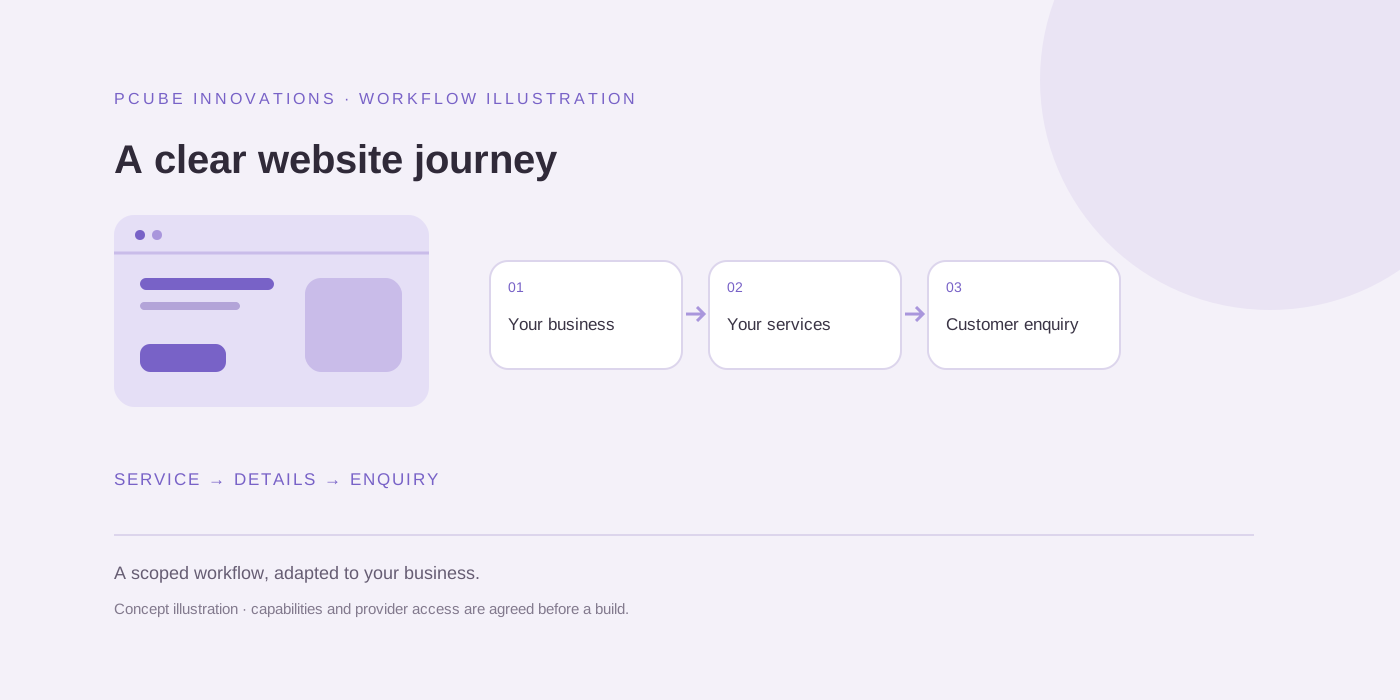
E-commerce Development
Online stores that connect product discovery, checkout and order handling in one practical shopping journey.
Explore this service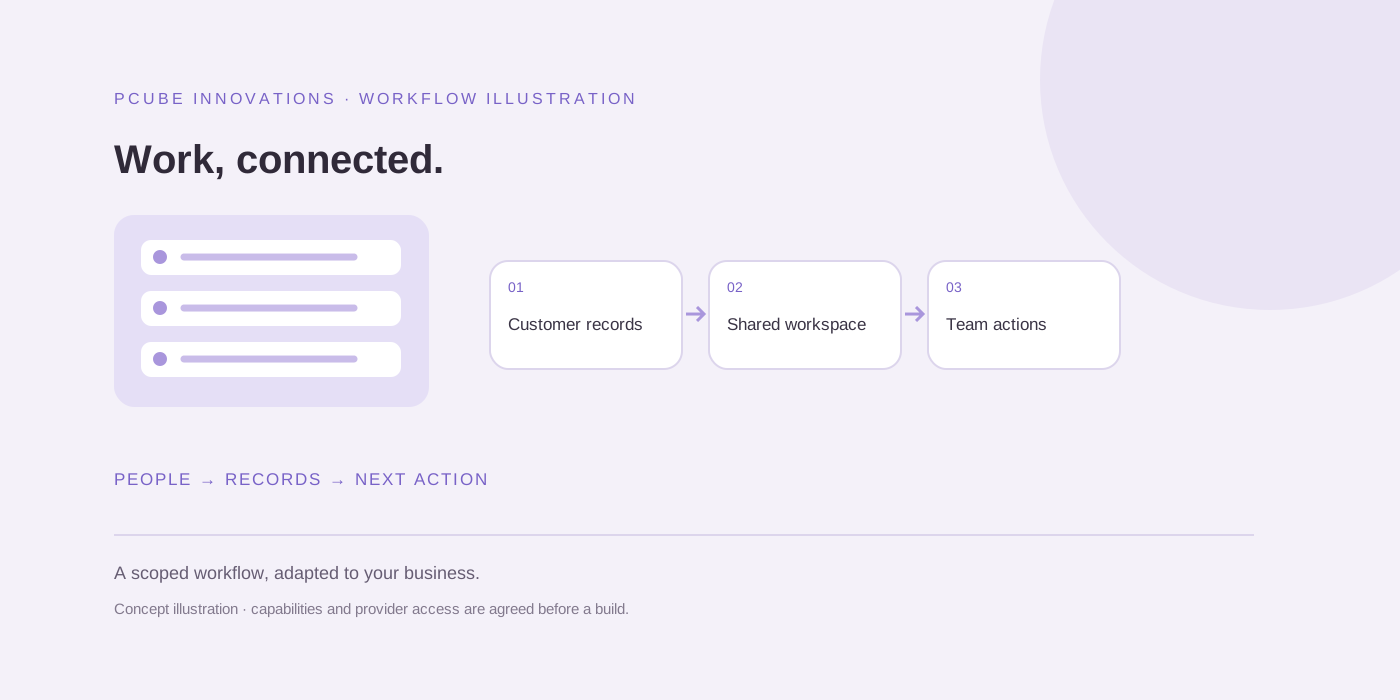
Software
Inventory Management Software
Track stock movements, locations and reorder needs with a system shaped around how your team handles inventory.
Explore this service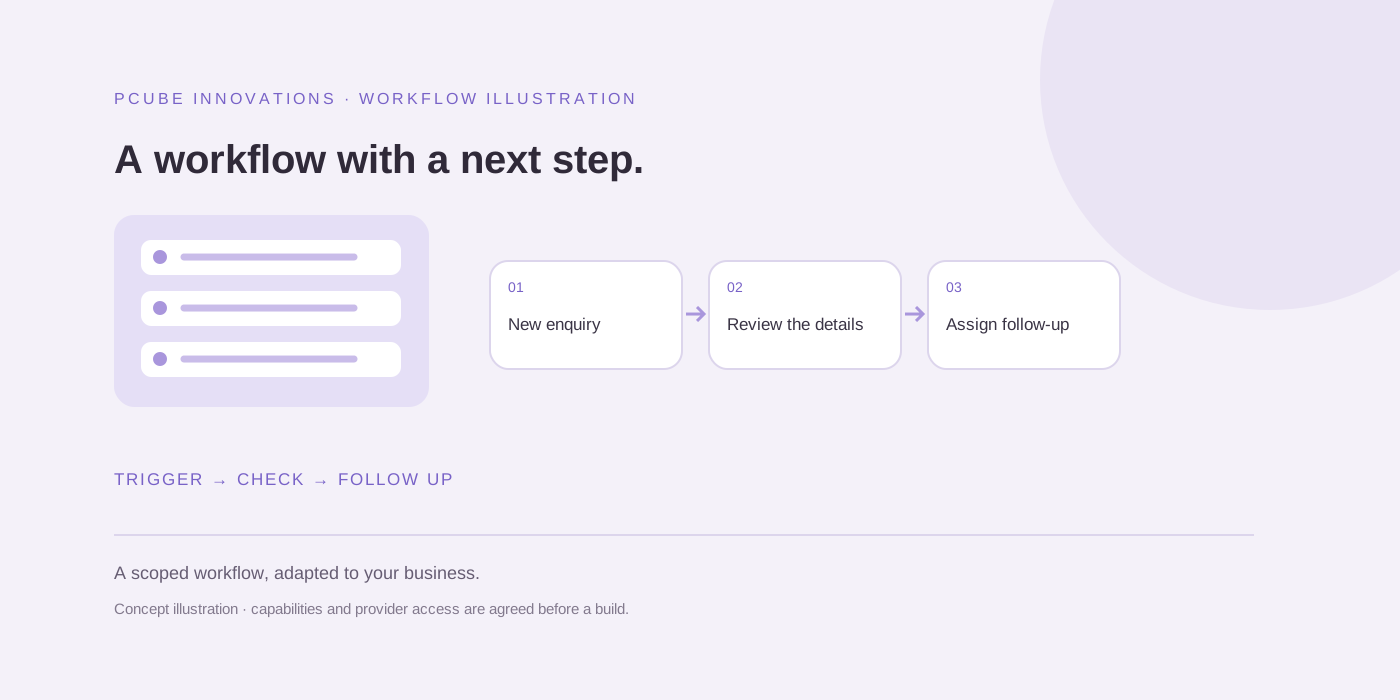
Automation
API Integration
Connect existing business systems so records and updates can move between them with clear rules.
Explore this serviceAutomation
Business Automation
Connect repeatable tasks so enquiries, approvals and updates move forward with less manual copying.
Explore this serviceLET’S BUILD SOMETHING BETTER
Could a system like this help your team?
Use the example to start a conversation. We’ll map your actual process and quote a scope based on your requirements.
No technical brief required. Just a conversation.