CAPE TOWN · REMOTE SERVICE DELIVERY
Logistics Software for Cape Town businesses.
Connect shipment intake, dispatch, delivery updates and customer visibility in one operational workflow. For your Cape Town project, the starting brief is: connect a return instruction to its original order and delivery status. We assess the current setup remotely, agree the deliverables and confirm who will approve the work.
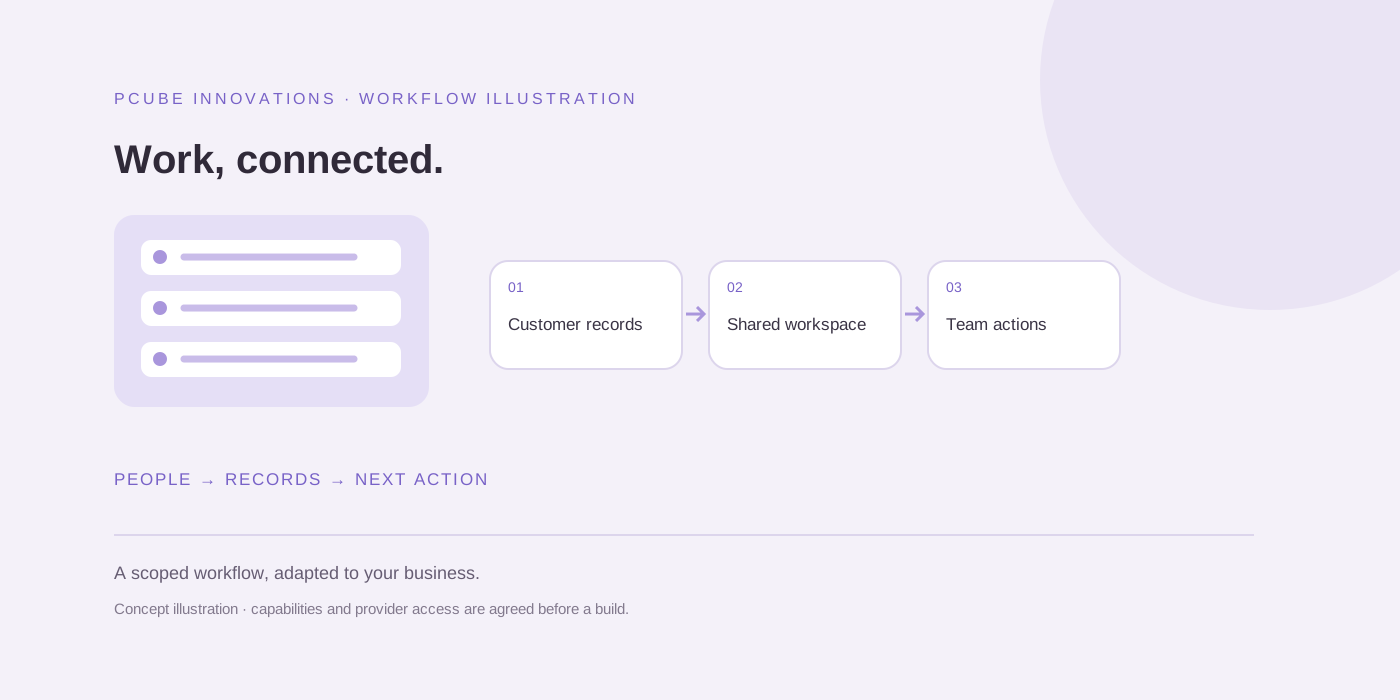
START WITH THE BUSINESS TASK
Plan the logistics software development brief around your operation.
For a business managing changing offers, scheduled services or external customers, separate a request from an approved commitment. Confirm who maintains the source information and handles changes. Seasonal and booking scenarios are examples to assess, not claims about all Cape Town businesses.
- Shipment and delivery order intake
- Dispatch assignment and status boards
- Driver job updates and evidence capture
- Proof-of-delivery workflow where scoped
ILLUSTRATIVE WORKFLOW · NOT A CLIENT CASE STUDY
Cape Town planning case: connect a return instruction to its original order and delivery status
Connect a return instruction to its original order and delivery status. Bring an anonymised example showing the starting information, the action the team takes and the record or customer response that should follow. Agree a named owner for the decision and keep the original reference available for checking. This is an illustrative requirements discussion, not a reported implementation or result.
Test this case against the proposed logistics software scope before acceptance. Order received Then check: Customer and office see status Record what works, what needs staff approval and what requires separate development or provider access. A service description does not establish that a particular product module or third-party integration is already available.
PREPARE A USEFUL FIRST CONVERSATION
What to bring to your Cape Town project discussion.
- Explain changing offer information, external-user access and who confirms a customer commitment.
- Prepare an example for: connect a return instruction to its original order and delivery status.
- Confirm the owners and authorised access for Google Maps where suitable and Telematics APIs where available.
- Describe the required handover, approval conditions, support needs and an acceptable first release.
Questions about logistics software development in Cape Town.
How does logistics software delivery work for Cape Town?
Build logistics software around how your courier or transport business operates. Keep orders, dispatch decisions, driver updates and proof of delivery connected, with fewer manual handovers between the office and the field. For Cape Town, discovery and review use scheduled calls, shared examples and agreed approval milestones. Your written proposal confirms the scope and responsibilities.
How should we test this planning case before launch?
Connect a return instruction to its original order and delivery status. Agree the expected result and deliberately test missing information, an unavailable reviewer and a failed handover. Record custom work separately from confirmed product or provider functionality.
What should we budget for logistics software development in Cape Town?
The national Logistics Software Development service has an indicative starting price of R15 000. The final scope, included work and third-party costs are agreed in writing. The same pricing principles apply to remote delivery for Cape Town. Starting prices are indicative. Final pricing depends on project scope, functionality, integrations and support requirements.
Do you have a physical Cape Town office?
This page describes remote service delivery for Cape Town, not a local office. Discovery, reviews and handover use scheduled calls, shared examples and agreed milestones. Your proposal confirms the delivery schedule and the people responsible for approvals.
Connected services for Cape Town.
LET’S BUILD SOMETHING BETTER
Discuss your Cape Town project.
Share the task, current setup and required outcome. We will assess a clear scope, responsibilities and next step.
No technical brief required. Just a conversation.